
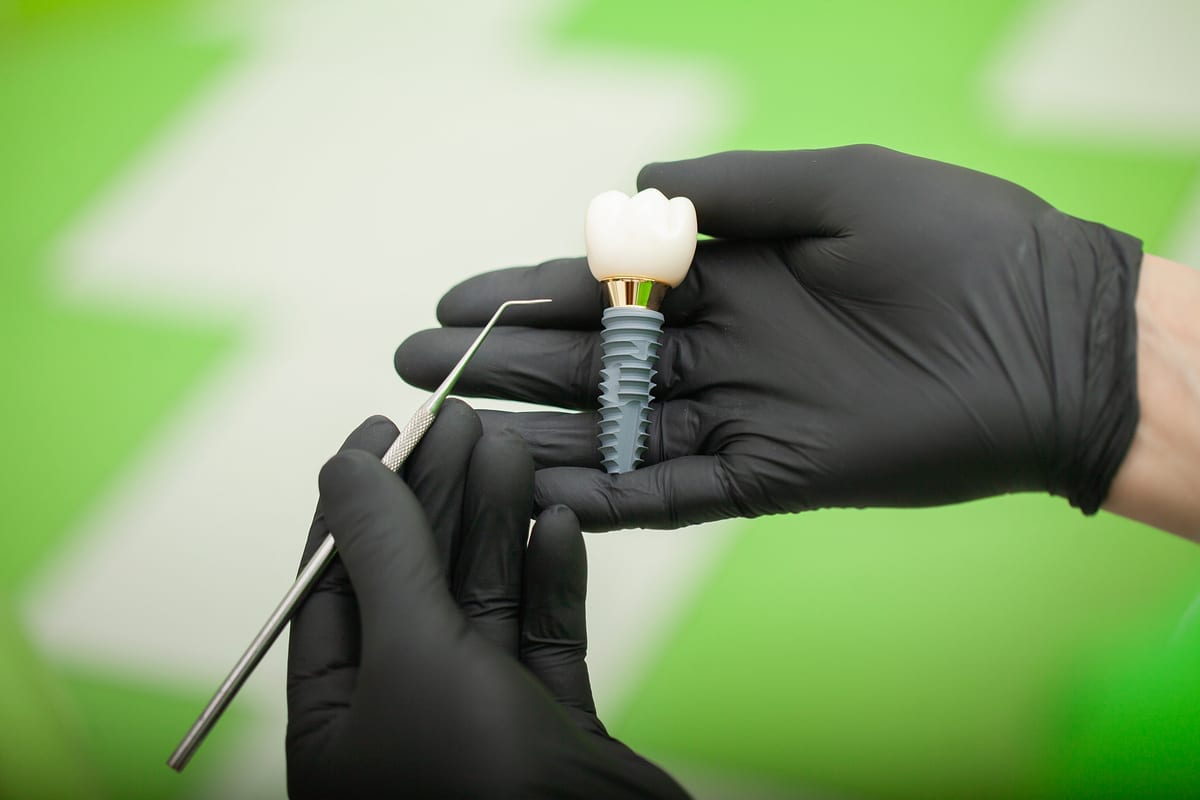
Dental implants are one of the most durable tooth replacement options available today. Many patients in Normandy Park ask the same question: how long do dental implants actually last? The honest answer is 25 years or more — but that lifespan is not guaranteed. Several specific factors determine whether your implants thrive for decades or fail early. Understanding those factors puts you in control of your long-term outcome.
Why Dental Implants Last 25+ Years in Normandy Park When Placed Correctly
The secret to implant longevity starts before the procedure even begins. Proper patient selection, thorough bone assessment, and precise surgical placement all matter enormously. When an implant is placed at the correct angle and depth, it integrates with your jawbone through a process called osseointegration. That bond becomes incredibly strong over time.
Implants are made from biocompatible titanium. Your body does not reject this material — it actually fuses to it. This fusion is what gives implants their extraordinary staying power. No other tooth replacement option replicates this biological connection.
Patients in Normandy Park who choose an experienced dental team dramatically improve their odds of long-term success. Proper technique during placement reduces complications and speeds up healing. Starting strong is one of the most important steps in making implants last a lifetime.
Top Factors That Shorten Implant Lifespan
Not all implants reach the 25-year mark. Certain habits and health conditions can cause them to fail much sooner. Knowing these risk factors helps you make smarter decisions about your care.
Here are the most common reasons implants fail prematurely:
- Smoking: Tobacco restricts blood flow and impairs healing around the implant site.
- Uncontrolled diabetes: High blood sugar slows tissue healing and raises infection risk.
- Poor oral hygiene: Bacteria buildup causes peri-implantitis, a gum infection that destroys bone.
- Teeth grinding (bruxism): Constant pressure cracks or loosens the implant crown over time.
- Skipping dental checkups: Problems go undetected until they become serious and harder to treat.
- Bone loss before placement: Insufficient bone volume leads to unstable integration from the start.
Some of these factors are modifiable. Quitting smoking and improving blood sugar control can significantly boost your implant success rate. Your dental team will assess your individual risk level before recommending implants.
What You Can Do to Make Your Implants Last a Lifetime
The good news is that most implant failures are preventable. Your daily habits play a bigger role than most patients realize. Small, consistent actions add up to decades of reliable function.
Follow these proven strategies to protect your investment:
- Brush twice daily with a soft-bristle toothbrush and non-abrasive toothpaste.
- Floss or use an interdental brush around the implant every day.
- Rinse with an antimicrobial mouthwash to reduce bacterial buildup.
- Visit your dentist at least twice a year for professional cleanings and X-rays.
- Wear a custom night guard if you grind your teeth during sleep.
- Avoid chewing on hard objects like ice, pen caps, or hard candy.
Professional cleanings are especially important for implant patients. Tartar can accumulate around the implant base just like on natural teeth. A hygienist uses specialized tools to clean implants safely without damaging the surface.
Routine X-rays also allow your dental team to monitor bone levels around the implant. Catching early bone loss means intervening before it becomes irreversible. Prevention is always more effective — and less costly — than repair.
How Bone Health Directly Determines Implant Longevity
Your jawbone is the foundation that holds the implant in place. Without adequate bone density and volume, even a perfectly placed implant can fail. This is why bone health is a central concern throughout the entire implant process.
After a tooth is lost, the jawbone begins to shrink. This process is called bone resorption, and it starts within weeks of extraction. Placing an implant early prevents this loss. The implant stimulates the bone just like a natural tooth root, keeping it healthy and dense.
Some patients in Normandy Park arrive with insufficient bone due to long-term tooth loss or gum disease. In these cases, a bone grafting procedure can rebuild the foundation before implant placement. This extra step improves long-term stability significantly.
Conditions like osteoporosis can also affect bone quality. Patients taking certain bone-affecting medications should discuss this openly with their dentist. Transparency helps your team create the safest and most effective treatment plan for you.
Implants vs. Other Restorations — A Longevity Comparison
It helps to understand how implants compare to other tooth replacement options. This context makes the 25-year lifespan even more impressive.
Traditional dental bridges typically last 10 to 15 years before needing replacement. They also require grinding down healthy adjacent teeth for support. Dentures last 5 to 10 years with proper care and often require refitting as the jawbone changes shape over time.
Implants, by contrast, can last a lifetime with proper maintenance. The titanium post itself rarely fails — most issues involve the crown on top, which can be replaced without disturbing the implant. This means you may only need to replace the visible crown portion, not the entire implant system.
For patients exploring full smile restoration, Cosmetic Dentistry options can complement implants beautifully. Veneers, whitening, or other treatments can ensure the rest of your smile matches your new implant perfectly. A complete, cohesive smile enhances both your confidence and your oral health.
Families with younger patients should also know that Pediatric Dentistry at All About Dental helps children build healthy habits early. Teaching kids proper brushing and flossing from a young age protects their future oral health — including potential implant candidacy as adults.
Frequently Asked Questions
How long do dental implants actually last?
With proper care, dental implants can last 25 years or longer. The titanium post often lasts a lifetime, while the crown on top may need replacement after 10 to 15 years depending on wear and maintenance habits.
What is the biggest threat to implant longevity?
Poor oral hygiene is the leading cause of implant failure. It leads to peri-implantitis, a bacterial infection that destroys the bone supporting the implant. Daily brushing, flossing, and regular professional cleanings are essential for long-term success.
Can smokers get dental implants?
Smokers can receive implants, but their success rate is lower than non-smokers. Tobacco impairs blood flow and healing around the implant site. Quitting smoking before and after the procedure significantly improves outcomes and helps the implant last longer.
Does bone loss prevent me from getting implants?
Not necessarily. If you have experienced bone loss due to missing teeth or gum disease, a bone graft can rebuild the foundation before implant placement. Your dental team will evaluate your bone density with imaging to determine the best approach for your situation.
How often should implant patients visit the dentist?
Implant patients should visit their dentist at least twice a year for professional cleanings and X-rays. These appointments allow the team to monitor bone levels, clean areas that are hard to reach at home, and catch any early issues before they become serious problems.
Your dental implants are a long-term investment in your health, comfort, and confidence. The team at All About Dental is here to help Normandy Park patients maximize that investment every step of the way. Book Now to schedule your appointment with our team.


Schedule an Appointment Today
Schedule your appointment today to experience personalized dental care tailored to your needs. Our dental team is ready to assist you in maintaining optimal oral health. Contact us to book your visit and discover how we prioritize your comfort and wellbeing. Take the first step towards a healthier smile with our comprehensive dental services in Burien, Washington, are designed to meet your individual dental health goals.