
Missing teeth have implications beyond looks; they can alter the way you chew, the sound of your speech, and the strength of the jawbone structure. People often seek long-lasting tooth replacement after coping with loose dentures, and dental implants are a good option. However, it can be confusing to determine who qualifies an individual as suitable for treatment.
In daily life, whether going to coffee breaks, having seafood lunches, or having comforting meals while staying dry on rainy days, comfortably chewing is an important consideration. By understanding how implants measure up to your health and lifestyle, you’ll be able to make wise decisions before visiting an implant dentist.
What Are Dental Implants?
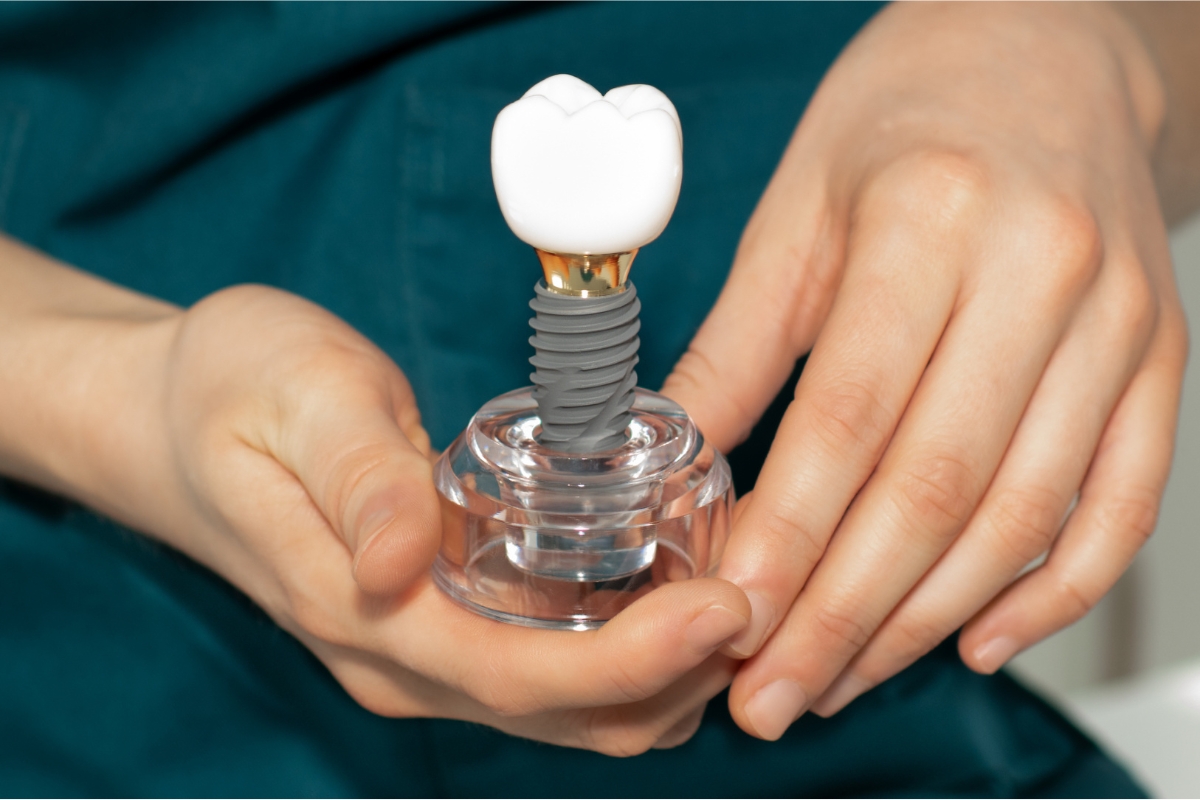
Dental implants are small titanium rods that are inserted into the jawbone as a substitute for the roots of the teeth that are being replaced. Over time, the bone encases the implant in a process known as osseointegration. This provides a foundation for a crown, bridge, or denture.
As dental implants in Burien, WA, are anchored in the bone, implants behave more like natural teeth than dentures. The process is done in stages by an implant dentist, starting with an examination and imaging. The time frame of the healing process varies, though the aim remains the same.
What Determines Your Eligibility for Implants?
Various factors affect the feasibility of implants. By no means do they signify that you need to meet them completely; rather, they facilitate the assessment process.
- Healthy gums: Gums must not be actively infected, as gum disease can compromise the tissue surrounding implants, making healing difficult.
- Strong jawbone: Bone density is significant because implants rely on it for support; some people may need to undergo bone grafting first.
- Good overall health: Other factors, such as uncontrolled diabetes or immune disorders, can influence this. Good health always improves the outcome.
- Commitment to oral care: Brushing, flossing, and regular checkups every day may help protect implants from infection and inflammation.
- Non-smoker or willing to quit: Smoking causes delayed healing; hence, one should avoid smoking before and after the procedure.
Lifestyle Habits That Matter
Daily activities, such as daily habits, may affect implant success. When it is always raining, staying indoors is part of a daily habit. Foods consumed indoors contain sugars that can lead to plaque, which, in turn, can affect the gum tissue around implants.
Grinding or clenching the teeth, especially when under stress, is another possible one. This will put strain on the implants if not carefully managed with a night guard. Discussing these habits with an implant dentist will help create a plan to protect the new teeth.
When Bone Support Is Limited
Not everyone has enough bone to support an implant right away. When teeth are lost, the bone eventually shrinks, especially if it is left empty for many years. Scans are taken to measure how much bone is left. If there is bone loss, there are other options available:
- Bone grafting: Adds material to rebuild the jaw structure
- Sinus Lift: This involves the elevation of the sinus to allow space for implants in the upper jaw
- Shorter implants: Used when there is limited height
These steps make implants possible for those who were told they could not receive implants.
Age Considerations for Dental Implants
Age does not determine a person’s eligibility for an implant. Many elderly people have implants, while younger patients have to wait until they finish growing. What is more crucial is the condition of the bone and the patient’s ability to heal properly.
Active senior citizens who prefer walking in the neighborhood along the waterfront or dining with family also favor implants for stability reasons. Age is of little concern compared to health.
Comparing Implants to Other Tooth Replacements
These implants differ from bridges or dentures because of their method of attachment to the mouth. A bridge is supported by adjacent teeth, and these become weak over time. Dentures rest on gums and may shift during eating or talking.
Implants are standalone structures, embedded firmly in bone. This makes them suitable for people who want the following:
- A fixed solution
- Better chewing ability
- Preservation of jawbone shape
- A natural-feeling bite
However, those who prefer removable alternatives or are unable to undergo surgery have other alternatives to try.
Considering Dental Implants as a Long-Term Solution
The choice of tooth replacement depends on personal factors such as health, comfort, and goals. Endosseous implants are appropriate for an individual with goals such as stability, the ability to have seafood dinners with friends, or to have warm drinks on rainy evenings. An implant dentist can determine whether the choice is appropriate.
Here are a few pointers to consider before deciding:
- Implants replace the tooth and root of the patient’s tooth
- Healing time varies from one individual to another
- Bone support plays a major role
- Oral hygiene habits remain essential
- Smoking increases failure risk
- Regular checkups protect results
The Role of an Implant Dentist
A dentist specializing in implants checks bone structure, gum condition, and medical history before making a treatment recommendation. They also inform the patient about the process, the healing stages, and the aftercare process. In this case, because of the surgical nature, the process requires professional training and planning to ensure proper integration with the jaw.
Your Next Step Toward a Complete Smile
The best candidates for implants are those with healthy gum tissue, adequate bone structure, and good oral hygiene. Lifestyle, past medical history, and bone formation will determine whether or not an individual can be treated with dental implants. Regional factors will also include dietary habits, climate, and daily routines.
The professional evaluation process will help you become more aware of whether the implants are compatible with your oral health goals. Our team at All About Dental can help you with learning more about your options. Call us to schedule an appointment, and let’s discuss any issues you have with the imaging test results.
Questions People Ask About Dental Implants
- Who should avoid dental implants?
People with untreated gum disease, heavy smoking habits, or uncontrolled medical conditions may not qualify right away. These issues can slow healing or raise the chance of infection. A dental evaluation determines whether treatment is safe or if other care should come first. - Can implants work if I lost teeth years ago?
Yes, many people receive implants long after tooth loss. Bone shrinkage may occur over time, but bone grafting or similar procedures can rebuild support. Imaging tests guide the treatment plan and indicate the steps needed before placement. - How long does the implant process take?
The timeline depends on healing speed and whether additional procedures are needed. Placement and bonding with bone often take several months. The final crown is added once the implant has stabilized, ensuring proper function and appearance. - Do implants feel like natural teeth?
Most people report that implants feel close to natural teeth because they are fixed in place. They allow normal chewing and speaking without slipping. Over time, many forget which tooth is an implant because it blends with the rest of the smile. - Is daily care different with implants?
Care is similar to natural teeth: brushing, flossing, and routine cleanings. Special tools may help clean around the implant base. Good habits prevent infection and protect both the implant and the surrounding gums.
Related Articles
Schedule an Appointment Today
Schedule your appointment today to experience personalized dental care tailored to your needs. Our dental team is ready to assist you in maintaining optimal oral health. Contact us to book your visit and discover how we prioritize your comfort and wellbeing. Take the first step towards a healthier smile with our comprehensive dental services in Burien, Washington, are designed to meet your individual dental health goals.