

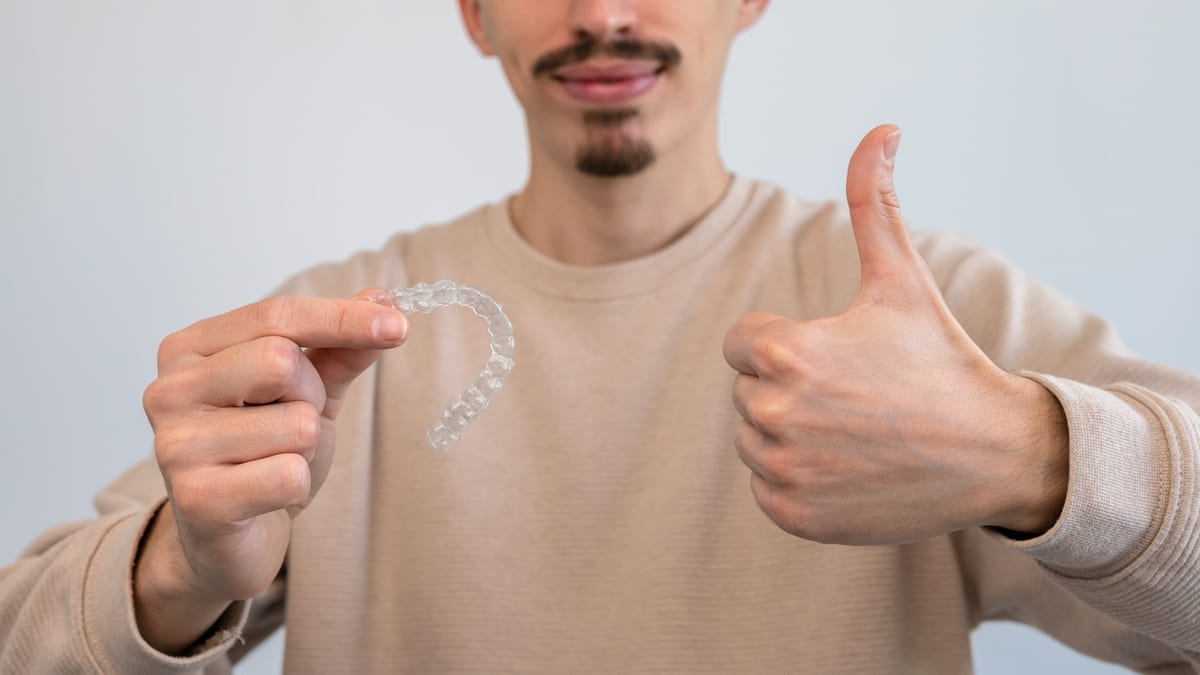
You wore your aligners faithfully. You tracked your trays. You smiled through the process. Now your Invisalign treatment is complete — and that’s genuinely worth celebrating. But here’s the truth that every patient in Burien needs to hear: your Invisalign journey isn’t over yet. Why retainers are absolutely essential in Burien is something our dental team at All About Dental wants every patient to fully understand before they leave that final appointment.
Skipping the retainer phase is one of the most common — and most costly — mistakes Invisalign patients make. This article explains exactly what retainers do, what happens when patients skip them, and how long you should expect to wear one.
Why Your Teeth Don’t Stop Moving After Invisalign
Many patients assume that once Invisalign moves teeth into position, they stay there permanently. Unfortunately, that’s not how biology works. Teeth are held in place by the periodontal ligament — a flexible tissue that connects your tooth roots to your jawbone. This ligament has memory. It wants to pull teeth back toward their original positions.
This natural movement is called orthodontic relapse. It happens gradually, often without pain or obvious symptoms. Patients may not notice shifting until weeks or months have passed. By then, reversing the relapse can require additional aligner treatment.
Retainers prevent relapse by holding teeth steady while the bone and ligament tissue adapt to the new positions. Think of a retainer as the anchor that locks your results in place. Without it, everything your aligners accomplished is at risk.
What Happens If You Skip Your Retainer in Burien
The consequences of skipping a retainer are well-documented in orthodontic research. Teeth can begin shifting within just a few days of stopping aligner wear. The rate of shifting varies by patient, but relapse is nearly universal without retention.
Here’s what patients commonly experience when they skip retainers:
- Crowding returns, especially in the lower front teeth
- Gaps that were closed begin to reopen
- Bite alignment shifts, causing discomfort
- Spacing between teeth becomes uneven again
- Patients require additional orthodontic treatment to correct movement
The frustrating part is that this relapse is largely preventable. A retainer is a simple, low-effort tool. Wearing it consistently protects months of your time and your investment in Cosmetic Dentistry results.
Our team at All About Dental sees relapse cases regularly. In most situations, patients simply didn’t understand how quickly teeth could shift. Education at the end of treatment makes all the difference.
Types of Retainers: Which One Is Right for You
Not all retainers look or function the same way. Your dental team will recommend the best type based on your specific case. Understanding your options helps you make an informed choice.
The two main categories are removable retainers and fixed retainers.
Removable retainers include two common styles:
- Essix retainers — Clear plastic trays similar in appearance to Invisalign aligners. They’re virtually invisible and easy to wear daily.
- Hawley retainers — Acrylic retainers with a wire that runs across the front teeth. These are durable and adjustable.
Fixed retainers involve a thin wire bonded to the back surfaces of the teeth, usually the lower front teeth. Patients don’t remove them. They provide continuous, passive retention without relying on patient compliance.
Many patients choose a combination approach — a fixed retainer on the bottom and a removable retainer on top. Our dental team will walk you through what makes the most sense for your smile and your lifestyle.
How Long Do You Actually Need to Wear a Retainer
This is the most common question patients ask after Invisalign. The honest answer is: a long time. For most patients, retainer wear is a lifelong commitment — though the intensity decreases significantly over time.
Here’s a general timeline most patients follow:
- First 3–6 months: Wear your retainer full-time — approximately 20–22 hours per day. This mirrors the discipline required during Invisalign itself.
- Months 6–12: Most patients transition to nighttime-only wear. Teeth have begun to stabilize in their new positions.
- Year 1 and beyond: Nightly wear is typically recommended indefinitely. Many orthodontists and general dentists advise wearing retainers every night for life.
This timeline can shift based on your case. Patients who had significant crowding or spacing may need longer full-time wear. Your dental team will give you a personalized schedule during your post-Invisalign appointment.
The key mindset shift is this: a retainer isn’t a temporary inconvenience. It’s a permanent part of your oral health routine — like brushing and flossing. At All About Dental, we emphasize this as part of our broader commitment to Family Dentistry care for every age group.
Caring for Your Retainer: Tips for Burien Patients
A retainer only works if it’s in good condition. Proper care extends the life of your retainer and keeps it hygienic. Neglecting retainer hygiene can lead to bacteria buildup and bad breath.
Follow these care guidelines to protect your investment:
- Rinse your removable retainer with cool water every time you take it out
- Brush it gently with a soft toothbrush — avoid toothpaste, which can scratch the surface
- Soak it in retainer-cleaning solution several times per week
- Never expose your retainer to heat — hot water, dishwashers, and car dashboards warp the plastic
- Store your retainer in its case when not in use — never wrap it in a napkin
- Bring your retainer to every dental checkup so your team can inspect it for wear
Fixed retainers require consistent flossing beneath the wire. A floss threader or water flosser makes this process straightforward. Your dental hygienist can demonstrate proper technique at your next cleaning appointment.
If your retainer cracks, warps, or feels loose, contact All About Dental promptly. A poorly fitting retainer provides little to no protection against relapse.
Making the Most of Your Invisalign Results in Burien
You put real effort into your Invisalign treatment. Protecting those results is simple when you have the right information and the right support team. Retainers are not optional extras — they are the final and ongoing phase of orthodontic care.
Our dental team at All About Dental in Burien is here to guide you through every stage of your smile journey. From your first aligner tray to your long-term retention plan, we provide consistent, personalized care rooted in patient education.
Ready to protect your Invisalign results and keep your smile looking its best? Book Now to schedule your appointment with our team.
Frequently Asked Questions
How soon after finishing Invisalign do I need to start wearing a retainer?
You should start wearing your retainer immediately after completing your final Invisalign tray. Your teeth are most vulnerable to shifting in the days and weeks right after active treatment ends. Delaying even a few days can allow early movement to begin. Your dental team will fit your retainer at or before your final Invisalign appointment.
Can I eat and drink with my retainer in?
Removable retainers should be taken out before eating or drinking anything other than plain water. Food particles can get trapped under the retainer, and hot drinks can warp the plastic material. Fixed retainers stay in place permanently, so patients with bonded retainers simply need to floss carefully around the wire. Your dental team will explain the specific care instructions for your retainer type.
What should I do if my retainer no longer fits properly?
A retainer that feels tight or doesn’t seat correctly may indicate that some tooth movement has already occurred. Do not try to force it in. Contact All About Dental right away so our team can evaluate your current tooth positions. In some cases, a new retainer or a short round of corrective aligners may be recommended. Acting quickly gives you the best chance of minimizing any relapse.
Is it normal for a new retainer to feel uncomfortable?
Mild pressure or slight discomfort when you first start wearing a retainer is completely normal. Your teeth are adjusting to the appliance. This usually resolves within a few days. If you experience significant pain, sore spots, or the retainer causes cuts in your mouth, call your dental team — adjustments may be needed.
How often should I replace my retainer?
Essix-style clear retainers typically last one to three years with proper care. Hawley retainers can last longer — sometimes five years or more. Fixed retainers may last many years but can occasionally need repair if the wire loosens or a bonding point breaks. Regular dental checkups allow your team to monitor your retainer’s condition and recommend replacement at the right time.


Schedule an Appointment Today
Schedule your appointment today to experience personalized dental care tailored to your needs. Our dental team is ready to assist you in maintaining optimal oral health. Contact us to book your visit and discover how we prioritize your comfort and wellbeing. Take the first step towards a healthier smile with our comprehensive dental services in Burien, Washington, are designed to meet your individual dental health goals.