
Many Normandy Park residents don’t realize their jawbone is quietly shrinking after tooth loss. Is your jawbone shrinking? Why waiting on implants gets costlier in Normandy Park is a question more people should be asking — before the problem gets worse. Bone loss after tooth loss is real, it’s progressive, and it’s largely silent. The longer you wait, the more complicated and expensive the path to a restored smile becomes.
What Happens to Your Jaw After You Lose a Tooth
Your jawbone needs constant stimulation to stay healthy. That stimulation comes from the pressure of chewing, transferred through your tooth roots into the bone. When a tooth is missing, that stimulation stops completely. The bone in that area begins to resorb — essentially dissolving — within just a few months.
This process is not visible in a mirror. You won’t feel it happening. But your dentist can see it clearly on X-rays. After one year without a tooth, most patients lose 25% or more of bone width in that area. After several years, bone loss can become severe enough to affect neighboring teeth and your facial structure.
Dental implants are the only tooth replacement option that mimics natural tooth roots. They restore the stimulation your bone needs to stay intact. No other option — not dentures, not bridges — stops bone loss the way implants do.
Warning Signs You May Have Already Waited Too Long for Implants in Normandy Park
Most people don’t seek implant treatment the moment they lose a tooth. Life gets busy. Costs feel daunting. The gap doesn’t hurt. But your body is quietly paying a price. Watch for these warning signs that bone loss may already be progressing:
- Shifting or tilting teeth: Neighboring teeth drift toward the gap, changing your bite and alignment.
- Difficulty chewing: You avoid certain foods or chew only on one side of your mouth.
- Sunken facial appearance: Your cheeks look hollow or your lower face appears to have aged rapidly.
- Ill-fitting dentures: If you wear dentures, they slip more often than they used to.
- Jaw soreness or discomfort: Uneven chewing puts strain on your jaw joints and muscles.
- Visible bone changes on X-rays: Your dentist notes shrinkage compared to earlier images.
If any of these sound familiar, don’t wait any longer. Each of these signs indicates that bone resorption is already underway. Acting now is always better than acting later.
Why Delaying Makes Treatment More Difficult and Costly
Here is the hard truth: implants placed early are almost always simpler and less expensive. When bone loss progresses too far, implant placement becomes more complex. You may need additional procedures before implants can even be considered.
Bone grafting is one of the most common additional steps for patients who have waited. A bone graft rebuilds lost jawbone volume using donor bone material. This adds healing time, cost, and complexity to your overall treatment plan. Some patients require multiple grafting procedures depending on how much bone has been lost.
Sinus lifts are another procedure sometimes needed when bone loss in the upper jaw expands into the sinus cavity. This is another delay, another recovery period, and another cost that waiting creates. What could have been a straightforward implant placement becomes a multi-stage process.
Early action is genuinely the most cost-effective choice. The sooner you address a missing tooth with an implant, the less likely you are to need expensive preparatory procedures. Patients in Normandy Park who act promptly preserve both their bone and their budget.
How Shifting Teeth Multiply Your Problems
Bone loss is only part of what waiting costs you. When a gap remains unfilled, neighboring teeth begin to shift. This is not a slow, harmless process — it creates real structural problems throughout your mouth. Teeth that tilt into a gap become harder to clean, increasing your cavity and gum disease risk.
Teeth opposite the gap — on the other jaw — may also begin to over-erupt, meaning they grow downward or upward into the empty space. This changes your bite significantly. A disrupted bite puts uneven pressure on your jaw joint, contributing to TMJ problems, headaches, and chronic jaw pain.
Patients who come to us through our Family Dentistry services often discover these cascading effects during a routine checkup. What started as one missing tooth has led to alignment issues, gum problems, and bite changes across the entire mouth. Restoring function with an implant early prevents this chain reaction from starting.
What Modern Implants Can Do for Normandy Park Patients
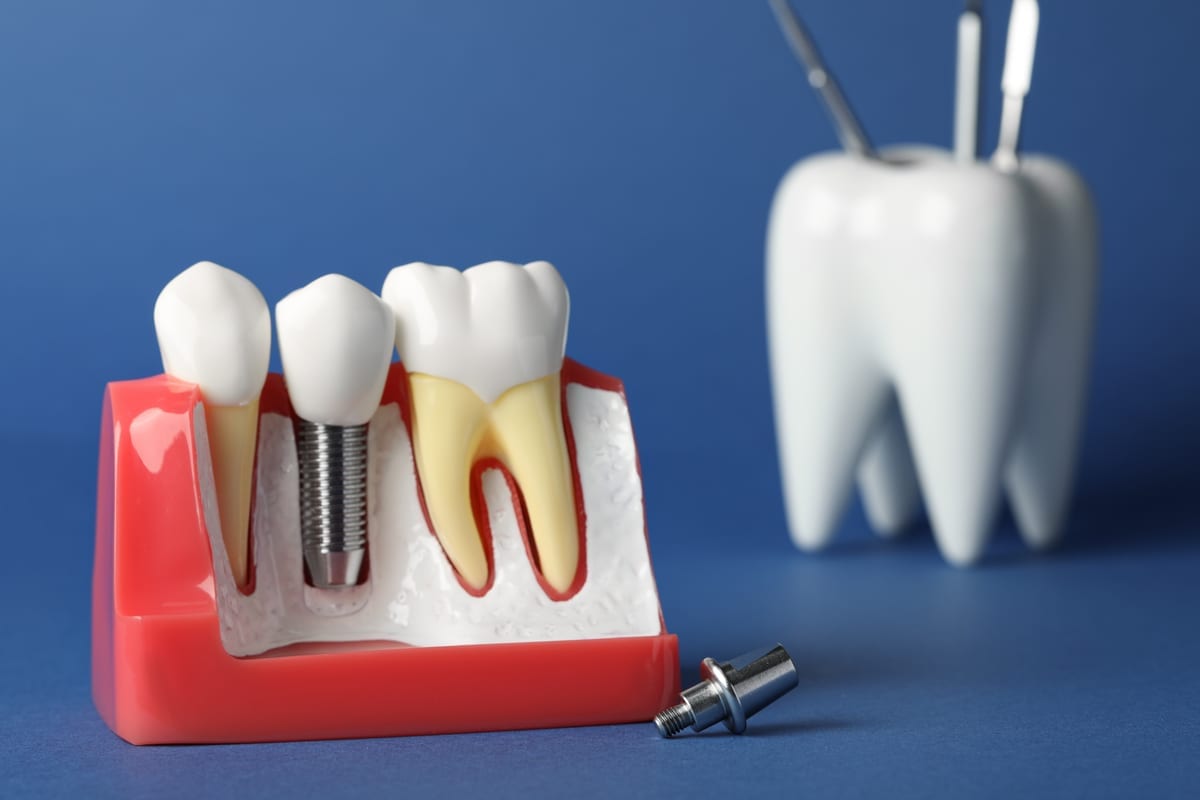
Today’s dental implants are remarkably effective, natural-looking, and long-lasting. A titanium post is placed into the jawbone, where it fuses over several months through a process called osseointegration. Once fused, it functions exactly like a natural tooth root.
The final restoration — a dental crown — sits on top of the implant and looks indistinguishable from your natural teeth. Implants don’t slip, don’t require adhesives, and don’t need to be removed at night. They allow you to eat, speak, and smile with full confidence.
For patients exploring smile restoration more broadly, our team also offers Cosmetic Dentistry options that can complement implant treatment. Whether you need to restore a single tooth or rebuild multiple missing teeth, we create a personalized plan that fits your specific situation.
Benefits of choosing implants sooner rather than later include:
- Preservation of existing jawbone density
- Prevention of neighboring tooth shifting
- Simpler placement with less need for grafting
- Lower overall treatment cost over time
- A restored, natural-looking smile that lasts decades
- Improved chewing ability and overall nutrition
Taking the Next Step Toward Protecting Your Jawbone
If you’ve been putting off implant treatment, this article is your sign to stop waiting. The warning signs of bone loss and shifting teeth are your body telling you something important. Ignoring those signals doesn’t make the problem go away — it makes it harder and more expensive to fix.
Our dental team at All About Dental serves patients throughout the Burien and Normandy Park communities. We take the time to understand your situation, assess your bone health with current imaging, and walk you through every step of the process. There’s no pressure — just honest information and a clear path forward.
Your jawbone is worth protecting. Your smile is worth restoring. Don’t let another month go by while bone loss quietly continues. Book Now to schedule your appointment with our team.
Frequently Asked Questions
How quickly does jawbone loss begin after a tooth is extracted?
Bone resorption can begin within just a few weeks after tooth loss. Studies show that patients lose approximately 25% of bone width in the affected area within the first year. The process continues gradually over time, which is why early implant placement is always recommended when possible.
Can bone loss be reversed without a bone graft?
Unfortunately, lost jawbone does not regenerate on its own. Once bone resorbs, the only way to rebuild sufficient volume for an implant is through a bone grafting procedure. This is why preventing further loss through early implant placement is far preferable to waiting until a graft becomes necessary.
Is dental implant treatment painful?
Most patients report that implant placement is more comfortable than they expected. The procedure is performed under local anesthesia, so you feel minimal discomfort during treatment. Some soreness and swelling occur in the days following placement, but these are manageable with over-the-counter pain relief and typically resolve within a week.
How long do dental implants last?
With proper care, dental implants can last 20 to 30 years or even a lifetime. The crown attached to the implant may need replacement after 10 to 15 years due to normal wear. Good oral hygiene and regular dental checkups are the most important factors in long-term implant success.
What if I’ve already lost significant bone — am I still a candidate for implants?
Many patients with significant bone loss are still candidates for implants after bone grafting. Your dentist will evaluate your current bone density and jaw structure using X-rays or a 3D scan. From there, a customized treatment plan can include the grafting procedures needed to rebuild sufficient bone before implant placement.


Schedule an Appointment Today
Schedule your appointment today to experience personalized dental care tailored to your needs. Our dental team is ready to assist you in maintaining optimal oral health. Contact us to book your visit and discover how we prioritize your comfort and wellbeing. Take the first step towards a healthier smile with our comprehensive dental services in Burien, Washington, are designed to meet your individual dental health goals.