

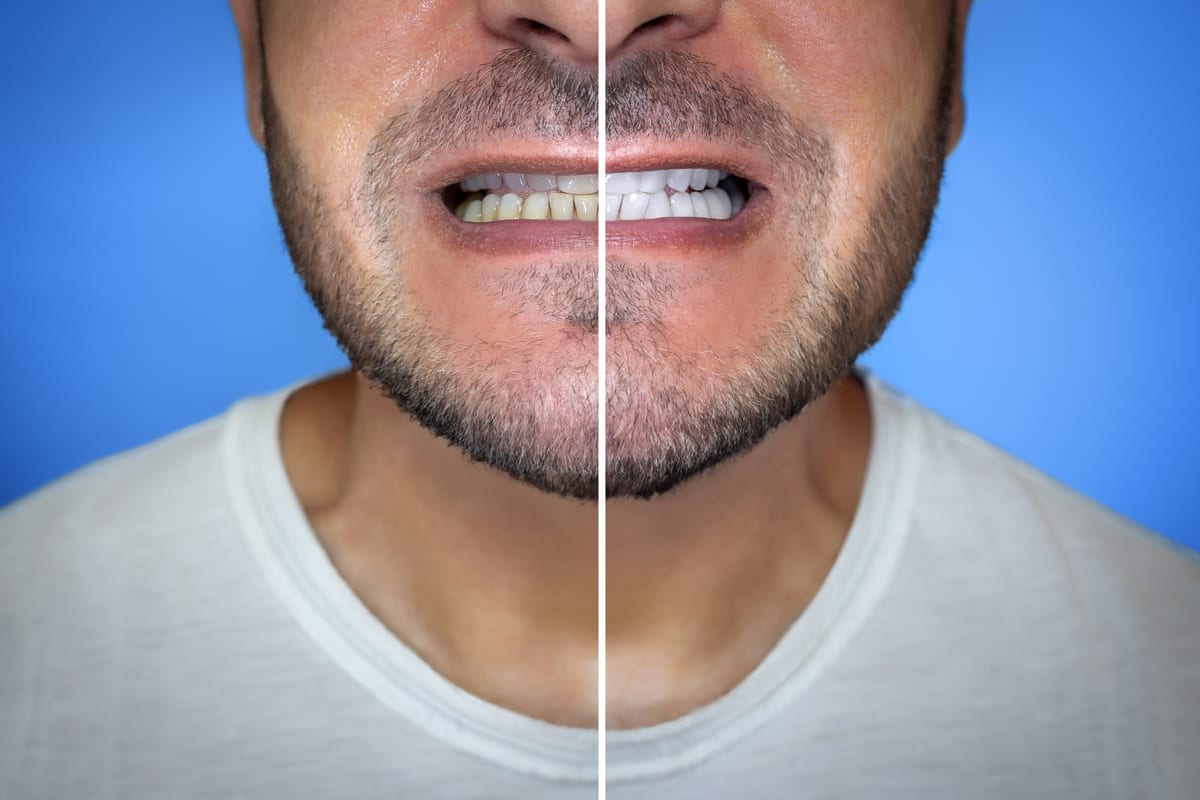
You followed the instructions carefully. You wore the trays, applied the strips, and waited patiently. But your smile still looks the same. If you’ve been wondering why your teeth whitening didn’t work, stain types explained by our dental team in SeaTac may finally give you the answers you need. Not all stains respond to whitening—and understanding why is the first step toward a brighter smile.
Many patients feel frustrated when whitening products fail them. The truth is, whitening treatments are not one-size-fits-all. The type of stain on your teeth determines how—or whether—whitening will work at all.
Extrinsic Stains: The Surface Stains Whitening Can Reach
Extrinsic stains sit on the outer layer of your teeth, called the enamel. These are the stains most people think of when they picture discolored teeth. They form from everyday exposure to food, drinks, and habits.
Common causes of extrinsic stains include:
- Coffee, tea, and red wine
- Dark-colored sauces like soy or tomato
- Tobacco use—both smoking and chewing
- Poor brushing habits that allow plaque to build up
The good news is that extrinsic stains usually respond well to whitening treatments. Over-the-counter strips and professional bleaching can lift these surface discolorations effectively. A professional cleaning before whitening helps remove surface debris and improves your results significantly.
If your stains are extrinsic and whitening still didn’t work, the product concentration may be too low. Professional-grade whitening from a dental office delivers stronger, more reliable results than store-bought options.
Intrinsic Stains: Why Whitening Often Falls Short in SeaTac
Intrinsic stains are a completely different story. These stains develop inside the tooth itself, beneath the enamel layer. No amount of bleaching can reach them from the outside. This is one of the most common reasons patients feel let down by whitening results.
Intrinsic stains can come from several sources:
- Tetracycline or other antibiotic use during childhood
- Excessive fluoride exposure during tooth development (fluorosis)
- Trauma or injury to a tooth
- Natural aging, which thins enamel and darkens the inner dentin
- Certain medical conditions or medications
These stains are embedded in the tooth structure itself. Whitening gels cannot penetrate deep enough to change their color. If your teeth have a grayish, bluish, or banded appearance, intrinsic staining is likely the cause.
Understanding this distinction is essential. Many patients spend money on whitening product after product without knowing their stain type. A dental evaluation can identify which stains you have and point you toward treatments that actually work.
Cosmetic Dentistry Alternatives When Whitening Doesn’t Work
When whitening is not the right solution, Cosmetic Dentistry offers powerful alternatives. These treatments address stains that bleaching cannot touch. They can also improve the shape, size, and overall appearance of your smile at the same time.
Dental Veneers are thin shells placed over the front surface of teeth. They completely cover staining—whether intrinsic or extrinsic—and create a uniform, natural look. Veneers are one of the most popular solutions for patients with tetracycline staining or severe discoloration.
Dental Crowns may be recommended when a single tooth is heavily discolored due to trauma or root canal treatment. A crown covers the entire visible tooth and restores both its color and function. This is a highly effective option for isolated discoloration cases.
Dental Bonding uses tooth-colored resin to cover surface stains on individual teeth. It is a quick and affordable option for mild cases. Your dentist can match the resin to the shade of your surrounding teeth for a seamless finish.
How Age and Tooth Development Affect Whitening Results
Age plays a significant role in how teeth respond to whitening. As we get older, enamel naturally wears thinner. The underlying dentin—which is naturally yellow—becomes more visible. This type of discoloration is not a surface stain, so it does not respond well to bleaching alone.
Younger patients, including children and teenagers, have different considerations entirely. Their tooth enamel is still maturing. Whitening treatments are generally not recommended for young patients whose teeth are still developing. For families in SeaTac with younger children, connecting with a trusted Pediatric Dentistry provider ensures age-appropriate care for developing smiles.
Adults who had certain medications or illnesses during childhood may carry intrinsic stains they never knew were there. These are often only discovered when whitening attempts fail. A dentist can spot these patterns and recommend the right path forward.
What to Do If Whitening Didn’t Work for You
The most important step is getting a professional evaluation. Your dentist will examine the type, depth, and cause of your staining. From there, they can recommend a treatment that actually matches your situation. Guessing with over-the-counter products costs time and money without solving the problem.
Here is what a whitening consultation typically involves:
- A visual exam to identify stain type and location
- A review of your dental and medical history for stain causes
- Digital imaging or shade matching to assess discoloration severity
- A personalized treatment recommendation based on your specific stains
Patients in SeaTac and the surrounding area have access to a full range of smile solutions at All About Dental. Whether you need professional whitening, veneers, crowns, or a combination approach, our dental team is ready to help you find what works.
You deserve a smile you feel confident about. Book Now to schedule your appointment with our team.
Frequently Asked Questions
Why didn’t whitening strips work on my teeth?
Whitening strips only target extrinsic, surface-level stains. If your stains are intrinsic—meaning inside the tooth—strips cannot reach them. A dental evaluation will identify your stain type and help you find a treatment that actually delivers results.
Can all teeth be whitened with bleaching products?
No. Bleaching products work best on natural tooth enamel with extrinsic stains. They do not work on dental crowns, veneers, bonding, or intrinsic stains. If your discoloration is internal, cosmetic options like veneers or crowns may be more effective.
What causes intrinsic tooth stains?
Intrinsic stains develop inside the tooth itself. Common causes include antibiotic use during childhood, fluorosis from excess fluoride, tooth trauma, natural aging, and certain medical conditions. These stains are embedded in the dentin and cannot be removed with standard whitening treatments.
How do I know if I have extrinsic or intrinsic stains?
A dentist can determine your stain type through a visual exam and a review of your dental history. Extrinsic stains often appear brown or yellow and respond to cleaning and whitening. Intrinsic stains may look gray, blue, or banded and require cosmetic dental treatments instead.
Is professional whitening better than store-bought whitening products?
Yes, professional whitening uses higher-concentration bleaching agents and is customized to your teeth. It works more effectively on extrinsic stains than over-the-counter products. Your dentist also ensures the treatment is safe and appropriate for your specific situation before starting.


Schedule an Appointment Today
Schedule your appointment today to experience personalized dental care tailored to your needs. Our dental team is ready to assist you in maintaining optimal oral health. Contact us to book your visit and discover how we prioritize your comfort and wellbeing. Take the first step towards a healthier smile with our comprehensive dental services in Burien, Washington, are designed to meet your individual dental health goals.